What is actually in bone broth
The UK composition dataset has no bone broth entry. What the nearest stock figures say, and how to get more out of a pot of bones.
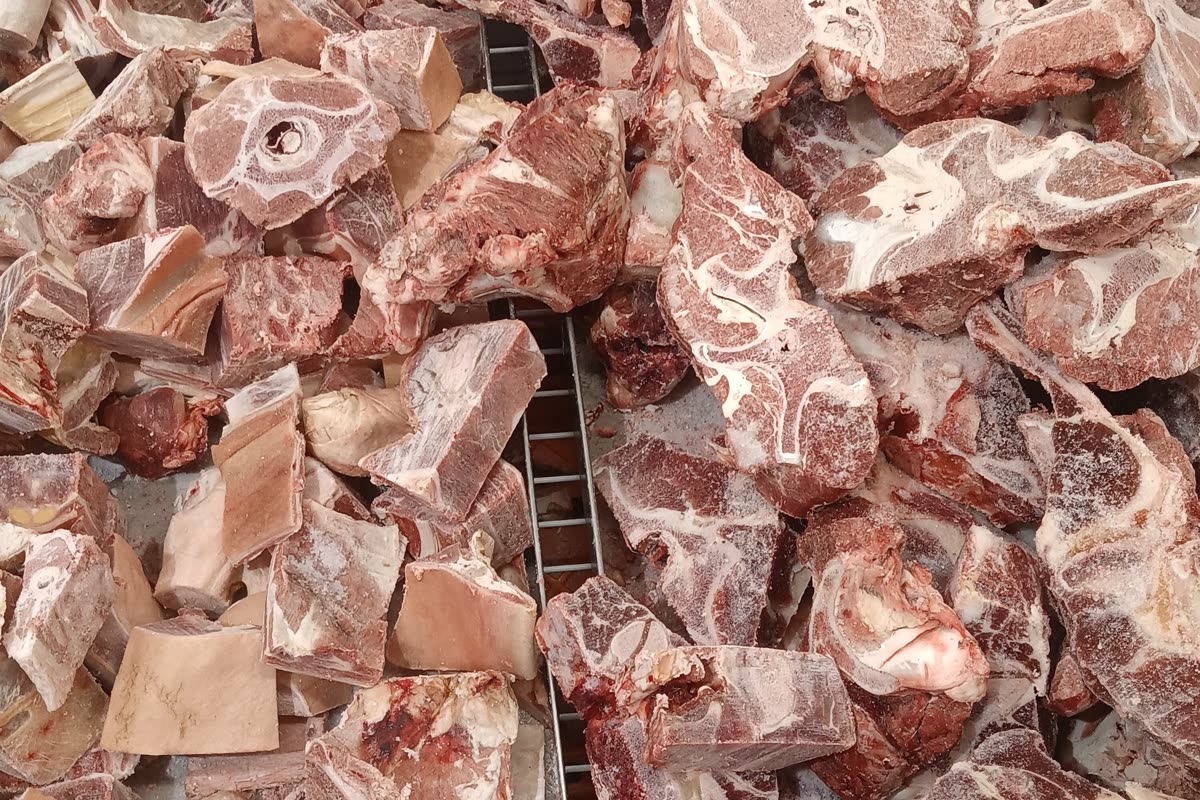
Bone broth is sold on protein. It is worth knowing what the UK's own food composition dataset says about it, because the answer is unusual. CoFID 2021 has no entry for bone broth at all. Search its 2,888 foods and the word broth appears once, as Scotch broth, which is a soup.
That absence is not a conspiracy. It tells you something about how variable the stuff in your mug actually is.
The seven entries that come closest
The published table covers stock rather than broth: a ready made chicken stock, three sorts of stock cube, the same cubes made up with water, one stock gel, and the Scotch broth. The two that matter for comparison:
- Stock, chicken, ready made, retail: 2.3g protein, 0.2g fat and 225mg sodium per 100g, at 12 kcal.
- Stock cubes, chicken, made up with water: 0.5g protein per 100g, with 579mg sodium.
So a 250ml mug of the retail stock carries about 6g of protein, and a mug made from a cube carries a little over 1g. The cube is also the saltier of the two by a wide margin, which is the price of the convenience.
Stock gel is the concentrated one: 6.7g protein and 6,450mg sodium per 100g. A 10g spoonful, which is a normal amount for a pan, gives you under a gram of protein and about 645mg of sodium. That is most of a day's salt in a single spoon, so measure it rather than dollop it.
Why homemade broth has no number
A composition table needs a food you can define. Broth is not one. The name covers 500g of bones in two litres of water and it covers two kilos in four, simmered for two hours or left overnight, and both the amount of solids that end up in the liquid and the salt level change with every one of those choices.
The dataset is built from laboratory analyses and calculated recipes, so an entry for a dish with no fixed recipe would be a guess wearing a decimal point. The compilers left it out.
What that means practically is that nobody can tell you the protein in your broth, including you, unless you send a sample to a lab. The nearest defensible figure is the commercial stock line above, and a long home simmer with plenty of bones will usually land higher than 2.3g per 100g. Usually is the honest word.
Getting more out of a pot of bones
If the drink is going to be mostly water, make it a good one.
- Roast the bones first, at 220°C for 30 to 40 minutes, until the cut ends are properly brown. This is where the colour and the deeper flavour come from, and it is the step most recipes skip.
- Use more bones than feels sensible. About 1.5kg of bones to 3 litres of water is a workable ratio.
- Hold a bare simmer rather than a boil. Four hours for chicken bones, six to twelve for beef. A hard boil pushes fat into the liquid and leaves the broth cloudy.
- Put meat in with the bones. A piece of shin, some oxtail or a few tablespoons of dripping gives the liquid body that bones alone do not.
- Salt at the end. The volume reduces while it cooks, so salt added at the start will be too much by the time you stop.
- Chill it overnight and the fat sets on top in a disc you can lift off, which gives you a clearer broth and a lump of beef fat for the pan.
Thick when cold, thin when hot
Broth from bones with plenty of connective tissue sets to a jelly in the fridge, because the collagen has turned into gelatin. That is a texture test rather than a quality test: a broth that stays liquid still tastes of beef and still makes a good base for gravy. Do not throw it out for failing to wobble.
Storing it
The Food Standards Agency guidance is a fridge between 0°C and 5°C, and a freezer at -18°C or below. Cool the broth quickly in a shallow container before it goes in the fridge, and freeze what you will not use within a few days in 500ml portions, leaving a gap at the top of each tub because liquid expands.
Label the tubs with the date and the animal. Beef and chicken broth look identical once frozen.
What the mug is for
Two kilos of bones make about four litres of broth and cost very little, which is the real argument for making it. But a mug of it is mostly water with a few grams of protein and whatever salt you added, so it belongs beside the meat rather than instead of it.
The protein for the day is on the plate. The bones make the drinking warm and the gravy better, and they are the cheapest thing in the butcher's fridge.
Sources
Disclaimer: Content published by BBBE Central is for educational, informational, and self-tracking purposes only and does not constitute medical advice. Always consult a qualified healthcare provider before making major dietary adjustments. See who should not follow this protocol.